10 Best AI Article Writers for Online Store Blog Content
Store owners need fresh product blog posts every week but most writers cost too much or deliver too slow. That gap forces many shops to reuse old posts or skip new categories altogether.
By the final section you will compare Autoblogging.ai against nine other tools on bulk generation, WordPress publishing, and Amazon-style product copy. You will also see clear criteria to pick one platform for your catalog size and budget instead of testing each option yourself.
What to Look For in AI Article Writers for Online Store Blog Content
Selecting an AI article writer for online store blog content requires evaluating how each tool handles product-focused SEO needs. The right platform helps create content that ranks while maintaining the natural tone customers expect from e-commerce blog posts.
Bulk generation capacity stands as a primary factor. An AI writing tool should produce multiple articles each week without quality loss. Stores running seasonal campaigns benefit when they schedule dozens of product blog posts in advance rather than writing them one at a time.
SERP integration gives another clear advantage. Tools that pull current search data help writers target keywords that actually drive traffic. This feature supports SEO-optimized articles that align with what shoppers already search for during their buying journey.
WordPress publishing removes manual copy-and-paste steps. Direct publishing lets teams move completed drafts straight to their live site. The process saves hours each month and reduces formatting errors that occur during manual transfers.
Language support matters for stores selling across regions. An AI content generator that handles multiple languages lets brands create localized versions of the same product story. This capability supports multilingual support without hiring separate writers for each market.
Plagiarism detection and readability scoring round out the evaluation list. Built-in checks ensure content stays original and easy to read. These features help maintain trust with customers while meeting the standards search engines apply to keyword-rich content.
1. Autoblogging.ai - Best Overall

Autoblogging.ai earns the top ranking due to its specialized AI modes and direct publishing features tailored for e-commerce sites. Online store owners need AI writing tools that handle product descriptions, SEO requirements, and automated workflows without constant manual oversight. This platform stands out because it combines multiple generation modes with WordPress integration in one system.
Many AI article writers focus on general content creation. Autoblogging.ai targets specific e-commerce needs through dedicated features. The platform offers Amazon Reviews Mode for product content, Bulk Generation for large catalogs, and One-Click WordPress Publishing for instant distribution.
Online store blog content requires consistent output across multiple products. Autoblogging.ai provides Godlike Mode for SERP competitor analysis and LSI keyword integration. These capabilities help e-commerce sites maintain fresh, keyword-rich content without hiring additional writers.
Amazon Reviews Mode for Product Content
Amazon Reviews Mode is available for product content.
A running shoe product might generate a post titled "Best Trail Running Shoes for Beginners in 2024".
This mode helps e-commerce stores create product blog posts without starting from scratch. The system handles the research phase by analyzing competitor reviews automatically. Store owners save time while producing natural language generation that reads authentically to visitors.
Bulk Generation for Large Catalogs
Bulk Generation lets users create up to 500 articles in a single campaign for large product catalogs. The process starts with a CSV upload containing product details and keywords. Each row becomes a separate article request that processes through the AI content generator simultaneously.
A 200-SKU store can generate weekly content batches without individual article creation. Credit consumption scales with the number of articles requested. The platform automatically generates title tags and meta descriptions for each piece produced.
This approach suits online stores that need consistent output across entire product lines. Automated blog writing becomes manageable when handling hundreds of items. E-commerce businesses maintain fresh content calendars without overwhelming their teams with manual writing tasks.
One-Click WordPress Publishing
One-Click WordPress Publishing pushes finished articles directly to any connected site without manual copy-paste. The three-step setup involves entering an API key, mapping categories to match site structure, and selecting instant publish. This eliminates the workflow friction between content creation and live deployment.
The system supports featured images and internal linking through Autolinking.ai integration. Users connect unlimited WordPress sites through a single dashboard. Content appears on the correct pages with proper formatting applied automatically.
Store owners avoid the tedious process of copying text, formatting posts, and uploading images separately. This direct publishing path keeps e-commerce blog content flowing consistently. The integration works across multiple platforms including Shopify, Wix, and Webflow for businesses using different site builders.
2. Reword
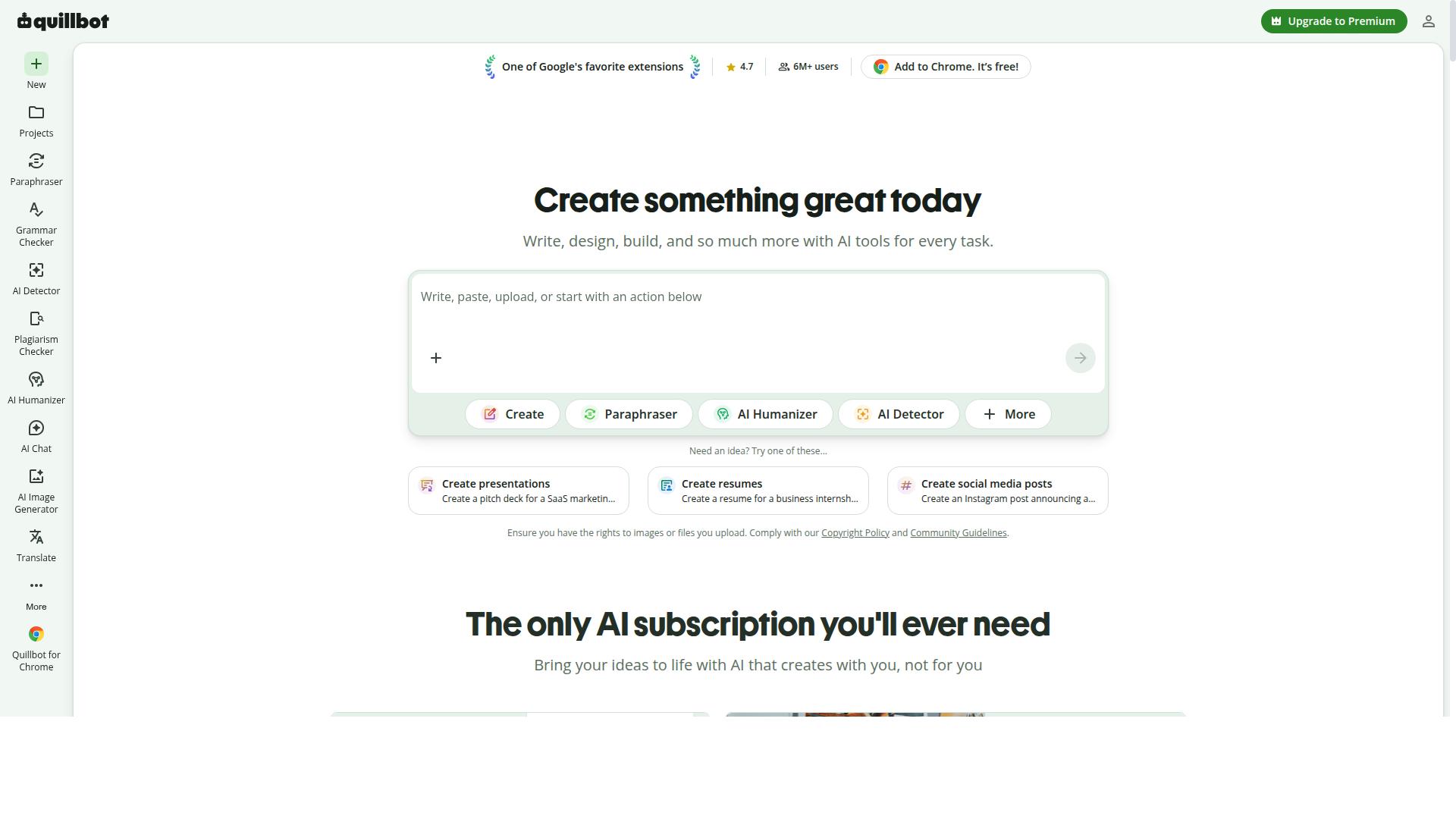
Reword focuses on paraphrasing existing text but lacks bulk creation and native WordPress integration.
This tool positions itself as an AI writing assistant that supports professionals rather than replacing their writing process. It offers real-time corrections and targeted improvement comments during the editing stage.
Users connect it to Google Search Console so the system learns from their articles over time. The platform suggests links and provides SEO optimization tips based on that data.
Single-article rewriting speed stays consistent for individual pieces, yet the service does not generate multiple product blog posts at once. Online store owners who need daily content may find this limitation affects their content calendar planning.
The credit model starts at $39/month for 3 users, 3 projects, and 40 drafts. This structure works well for small teams but can restrict larger e-commerce operations that publish frequently.
Limited SEO tools exist compared to dedicated AI article writer platforms built specifically for keyword-rich content and meta descriptions. The focus stays on assistance features rather than full automation for online store content.
Research suggests the platform integrates with popular CMS platforms. This helps when teams already work within existing workflows but does not replace solutions designed for automated blog writing from scratch.
Professionals who want collaborative editing and tone adjustment may appreciate the approach. The service targets users who prefer guided support over complete content generation for their e-commerce blog.
3. Surfer
Surfer emphasizes on-page SEO scoring but requires separate content generation tools for full article creation. This AI writing tool helps users optimize existing drafts against search rankings. The platform works best when paired with other AI content generators for actual drafting.
The content editor interface shows real-time scores as writers adjust their text. Users see suggestions for headings, paragraph length, and keyword placement throughout the document. This setup supports SEO-optimized articles that target specific search terms effectively.
SERP analyzer metrics compare user content against top-ranking pages in search results. The tool evaluates factors like word count, image usage, and heading structure from competitor articles. These insights help writers understand what elements contribute to higher visibility.
Pricing tiers start with the Essential plan at $89 per month and the Scale plan at $129 per month. Both levels include the core optimization features with varying limits on usage. A 7-day money-back guarantee allows users to test the platform before committing.
Surfer integrates with Google Docs and WordPress through available add-ons. Writers must export content separately when publishing to their online store blog. This extra step adds time compared to platforms with built-in publishing capabilities.
4. Rytr
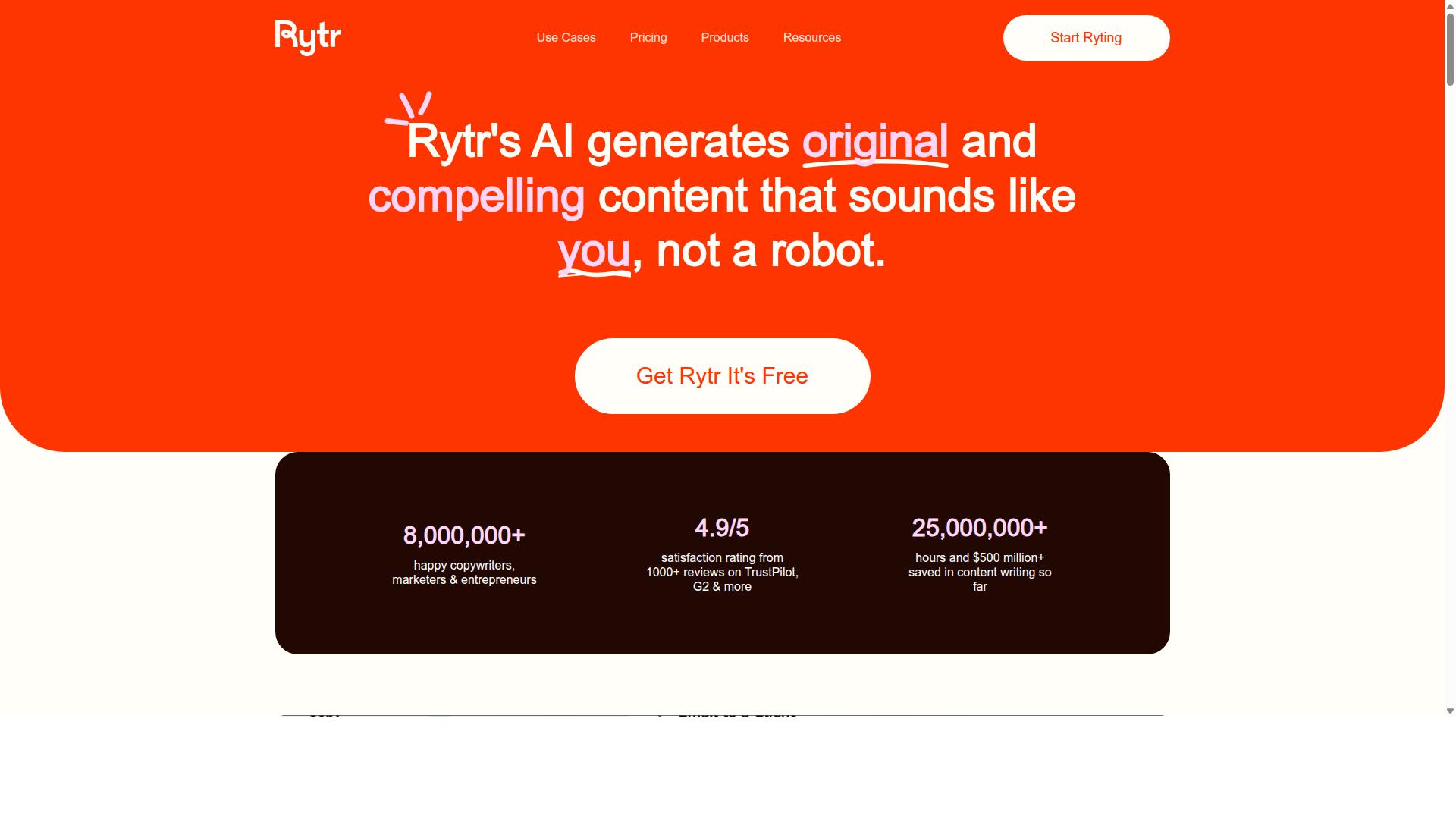
Rytr offers affordable short-form templates and 30+ languages yet provides no bulk product catalog generation. Online store owners look for AI article writer tools that handle product descriptions at scale.
Users select from templates such as blog sections, product descriptions, and social posts. The platform supports custom tone settings and creativity sliders for each output.
Monthly word limits vary by plan, with a free tier available for light testing. Paid access starts at $9/month according to public pricing details.
Tone options include professional, casual, witty, and persuasive styles. Multilingual support covers more than thirty languages for global e-commerce needs.
Teams use Rytr for quick drafts rather than complete product blog posts. The tool works best when content stays short and focused on single topics.
Store owners compare this option against dedicated AI writing tools built specifically for large catalogs. Rytr fits smaller content calendars when bulk generation is not required.
5. Jasper

Jasper excels at brand-voice training but charges higher fees for large-scale e-commerce output. This AI content generator helps online store owners maintain consistent messaging across product blog posts and category pages.
The platform includes Boss Mode for longer writing projects and a library of custom templates that speed up common e-commerce tasks. Users can set specific tone guidelines so every article matches their store voice.
Still, Jasper offers no native bulk publishing feature. Store operators must copy generated text into their content management system manually, which adds steps when managing a full blog calendar.
Many teams rely on its natural language generation to create SEO-optimized articles that fit product descriptions and buying guides. The system draws from GPT-3 technology to produce readable content in various lengths.
Its usage-based pricing means costs rise quickly once content volume increases. Smaller stores may find the expense manageable, yet larger catalogs often need additional budget planning.
6. Copy.ai
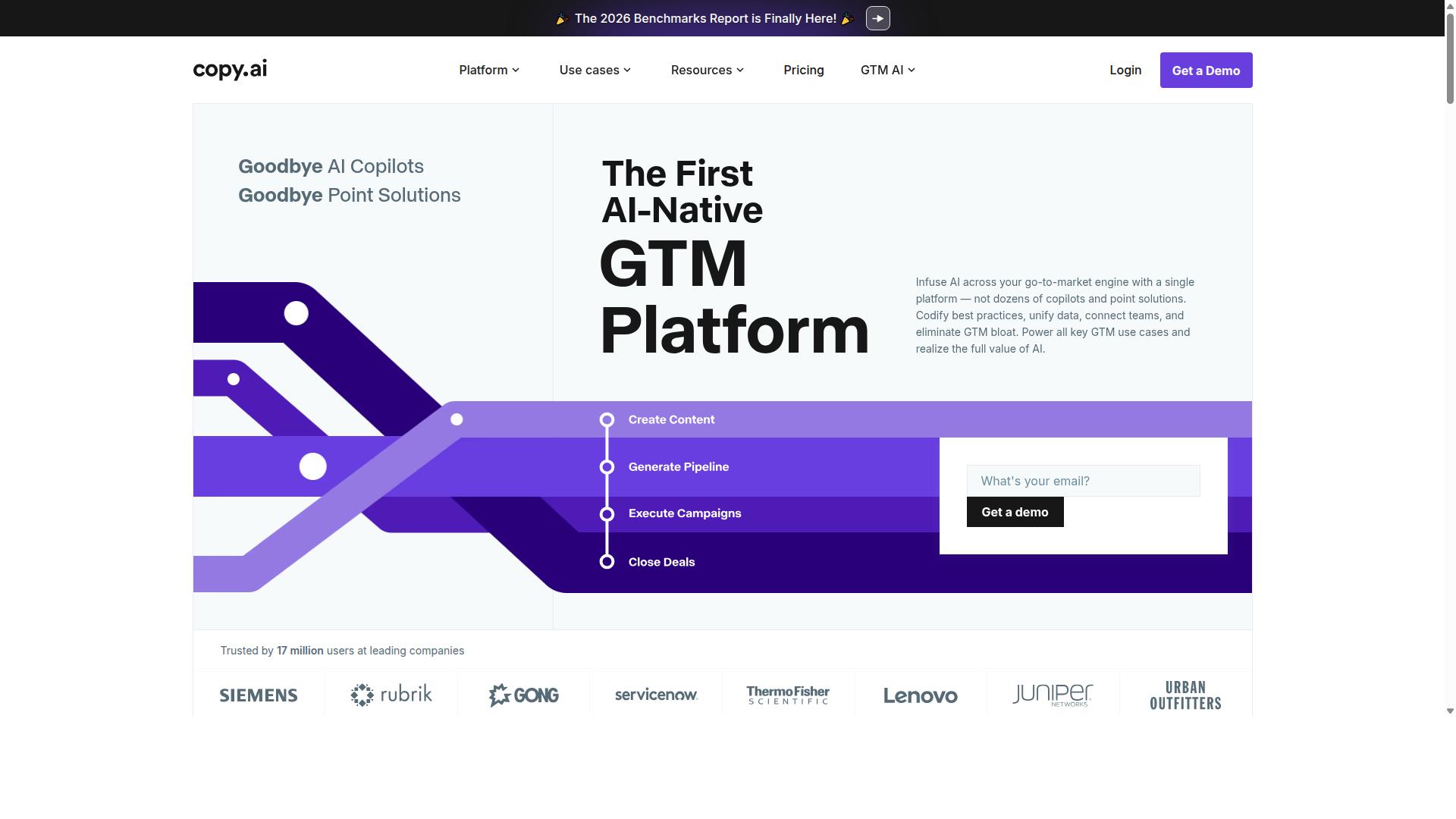
Copy.ai targets marketing copy with workflow templates while offering limited long-form SEO capabilities. The platform provides email and ad templates that help teams produce campaign content for online stores. Users can select from over ninety templates designed for product descriptions, social posts, and sales sequences.
Email templates include follow-up messages and subject line generators that simplify customer outreach. Ad templates cover Facebook ads, Google ads, and promotional copy for seasonal campaigns. These resources support marketers who need quick variations without starting from scratch.
Zapier integrations let users connect Copy.ai to existing e-commerce tools and content calendars. This connection allows automated workflows that move generated copy between platforms without manual transfers. Marketing teams often use these automations to keep product blog posts and promotional content flowing.
Monthly credit caps apply to each subscription plan and limit the total outputs available. Teams must track usage when creating large volumes of product blog posts or keyword-rich content. The credit system encourages focused requests rather than broad experimentation.
Research suggests the platform suits short-form marketing needs better than extended SEO articles. Online store owners looking for AI content generators may find Copy.ai helpful for campaign copy while exploring additional tools for longer product blog posts.
7. Writesonic
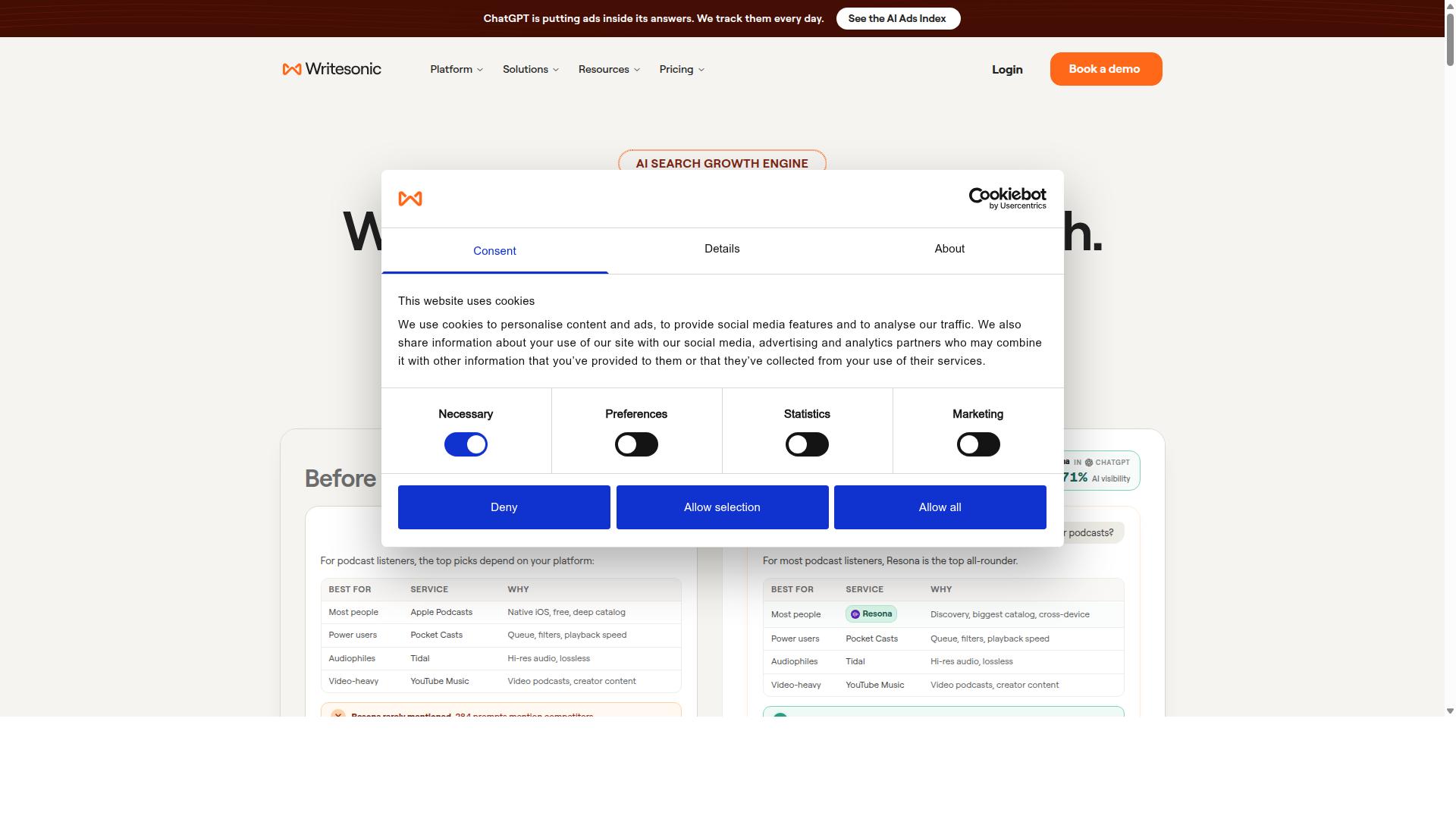
Writesonic provides article and landing page generators with built-in plagiarism checking. This AI content generator helps online store owners produce product blog posts and category descriptions without starting from scratch.
The platform includes a Sonic Editor that lets users refine AI drafts directly in the interface. Writers can adjust sentence structure and expand sections while keeping the original meaning intact.
SEO mode guides the tool to incorporate keyword-rich content and meta descriptions into each piece. Store owners can generate title tags and headings that match what users are searching for for their product categories.
The tool offers multilingual output across dozens of languages. This feature supports e-commerce businesses that sell to customers in multiple regions and need consistent brand voice in different markets.
Writesonic functions as one of several best AI writers available for automated blog writing. Online retailers often combine it with other AI writing tools when building a content calendar for their stores.
8. Grammarly
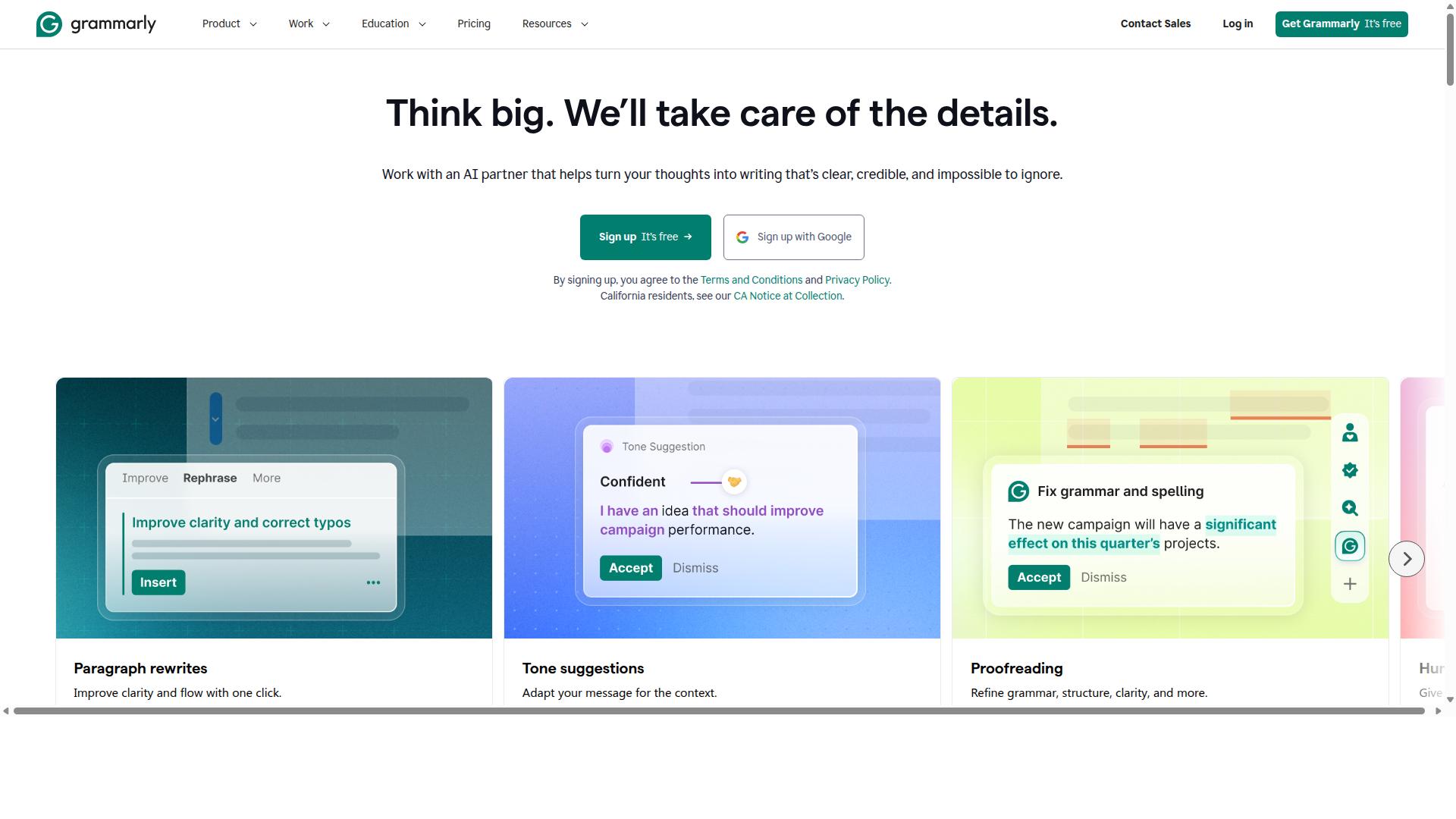
Grammarly functions primarily as an editing layer rather than a full article generator. This AI writing tool excels at refining existing text for online store content.
The tone detector helps writers match their voice to different audiences. E-commerce blog posts require professional yet approachable language that builds customer trust.
Grammarly provides clarity suggestions that identify wordy sentences and unclear phrasing. These recommendations prove useful when optimizing product blog posts for better readability.
The premium plagiarism feature scans text against billions of web pages. Online store owners benefit from this check when creating original content that avoids duplicate material issues.
Grammarly works across Google Docs, Microsoft Office, and web browsers for real-time assistance. The free version already catches spelling mistakes and basic grammatical errors effectively.
This AI content editor supports writers who need to polish their output. Many users combine Grammarly with dedicated AI article writers for complete content workflows.
9. HubSpot

HubSpot bundles AI writing into its marketing hub but targets enterprise users with complex setups. The platform offers a content strategy tool that helps plan and organize blog posts for online store content.
Users can access an AI blog post generator, yet this feature works within specific limits tied to subscription tiers. The generator produces draft copy based on prompts, though some formats may require manual edits for consistency.
Many online stores use HubSpot because of its CRM integration points. The system connects customer data with content creation, allowing teams to reference buyer behavior when writing product blog posts.
Businesses that already manage leads inside HubSpot often find this combination useful for SEO-optimized articles. The AI writing tools inside the platform support keyword research and outline creation as part of the workflow.
HubSpot remains best for CRM platform with AI writing when companies need to link content efforts directly to sales pipelines. Pricing starts at $20/month with a free plan or trial available for testing.
10. Outranking
Outranking combines SERP analysis with AI drafting yet lacks one-click publishing to external sites. This AI content generator focuses on SEO optimization for product blog posts and online store content. Users can create keyword-rich content through its system.
The outline builder helps generate structured blog post outlines based on top ranking pages. This feature analyzes search results and suggests sections that match what readers expect. Many AI writing tools use similar approaches for e-commerce blog planning.
Content scoring provides feedback on how well drafts match SEO requirements. The system evaluates readability and keyword placement throughout the document. This helps writers adjust their work before finalizing articles. For related context, see our guide to How to Evaluate an AI System in Plain English.
Monthly article caps limit the total number of pieces users can generate during each billing cycle. Different plans offer varying limits depending on team size and content volume needs. This structure works well for businesses managing their automated blog writing output.
Experts recommend reviewing these limitations against your store's publishing schedule. The tool sits alongside other options in comparisons of best AI writers for SEO-focused content. Natural language generation features make it suitable for creating consistent product blog posts.
How to Choose the Right Option
Matching the right AI writer to your online store depends on catalog size, publishing frequency, and budget. The decision becomes clearer when you apply a simple five-step framework that weighs several practical factors.
First, estimate your bulk needs for the coming months. An online store with hundreds of products requires an AI article writer that scales without constant manual input. Autoblogging.ai targets website owners and marketing agencies who publish at this volume on affiliate sites and client projects.
Next, check WordPress connectivity. Most e-commerce blogs run on this platform, so seamless publishing saves hours each week. Autoblogging.ai serves personal sites, portfolio sites, and local sites, making direct publishing a natural fit for store owners who want automated blog writing.
Then review language requirements. If your store targets multiple countries, confirm the tool supports your needed languages. Autoblogging.ai works for content creators who manage multilingual sites without switching between separate platforms.
After that, confirm plagiarism controls. Unique content protects search rankings and brand trust. Autoblogging.ai supports SEO professionals who produce keyword-rich content for product blog posts and long-form articles.
Finally, calculate total monthly cost based on your output volume. Compare per-article pricing against flat subscriptions. Autoblogging.ai appeals to affiliate marketers who need predictable costs while generating SEO-optimized articles at scale.
Final Verdict
Autoblogging.ai delivers the strongest combination of bulk generation, product-focused modes, and direct publishing for e-commerce blogs. This AI article writer stands apart because it targets online store content specifically. Other AI writing tools often require extra steps to reach your publishing platform.
Two top advantages make the platform effective for product blog posts. The system creates SEO-optimized articles at scale and connects with 35+ integrations to streamline your workflow. Research suggests that automated blog writing reduces the time needed to maintain fresh content on store sites.
Autoblogging.ai has generated over 1M+ articles, giving store owners proven results in natural language generation. The platform handles keyword-rich content, conversion copy, and long-form content without forcing manual edits. This volume shows consistent performance across different e-commerce niches.
Stores that need regular product blog posts benefit from the direct publishing feature. The AI content generator pushes finished articles to your chosen platform without extra copy and paste work. This saves hours each week that would otherwise go to formatting and uploading tasks.
Reach the Autoblogging.ai team at vaibhav@autoblogging.ai or +91 84605-06553. Offices operate in India at 501, Trinity Orion, Vesu, Surat, 395007, Gujarat and in the United Kingdom at 2nd Flr, SEO Content Suite, 35 Water Ln, Wilmslow, Cheshire SK9 5AR. Contact them during 7:00 to 19:00 IST for questions about your e-commerce blog needs.
Frequently Asked Questions
What criteria define the 10 Best AI Article Writers for Online Store Blog Content?
Key criteria include accuracy, creativity, SEO optimization capabilities, and ease of use for generating store-related content.
How can AI tools improve my online store's blog performance?
By producing regular, high-quality content that attracts more visitors and boosts conversions.
Why consider the 10 Best AI Article Writers for Online Store Blog Content for your business?
They offer specialized features that cater to the unique demands of online retail blogging.
What output formats do these AI writers support?
They typically generate articles, product reviews, how-to guides, and more in various lengths.
Do AI article writers replace human writers completely?
No, they serve as powerful assistants that augment human creativity and efficiency.
How to evaluate the effectiveness of AI generated content?
Monitor engagement metrics like time on page, shares, and sales attributed to the blog posts.
Recommended Resources: