9 Best Alternatives of RankIQ
Bloggers and agencies hunt for RankIQ replacements once monthly billing exceeds output or the content score drops below targets. Some tools pile on extra fees while others return generic suggestions that still need heavy edits. Autoblogging.ai appears first in this list because it ships the first draft and cuts production hours.
By the final section you will hold a side-by-side view of nine tools, know the price and feature differences between them, and see why Autoblogging.ai ranks as the best overall choice. The closing advice will show you how to match the right platform to your workflow and budget.
What to Look For in RankIQ Alternatives
First sentence: Effective RankIQ alternatives must deliver measurable SEO gains through integrated content scoring and SERP-driven workflows.
Real-time SERP competitor analysis depth matters because it shows which pages currently rank for target terms. A strong SEO tool should return live title tags, heading structures, word counts, and backlink profiles from the top ten results. This data helps writers match or exceed existing content quality.
Keyword difficulty scoring accuracy determines whether a term is realistic to target. Look for an SEO platform that factors in domain strength, page authority, and topical competition rather than a single numeric score. Accurate keyword difficulty scores prevent wasted effort on impossible rankings.
Content gap detection precision reveals missing subtopics within a given keyword cluster. The best SEO alternatives surface specific questions, entities, and related terms that top-ranking pages cover but your draft does not. This process supports stronger topical authority and better search visibility.
Readability and on-page SEO scoring formulas influence how search engines perceive content quality. A capable SEO software solution calculates sentence length, passive voice usage, heading hierarchy, and keyword placement in real time. These metrics guide writers toward clearer, more scannable articles.
Bulk content production capacity becomes critical when teams manage multiple sites or large topic clusters. Effective SEO alternatives allow simultaneous optimization of dozens of drafts without performance slowdown. This capability reduces turnaround time and supports consistent content strategy execution.
1. Autoblogging.ai - Best Overall
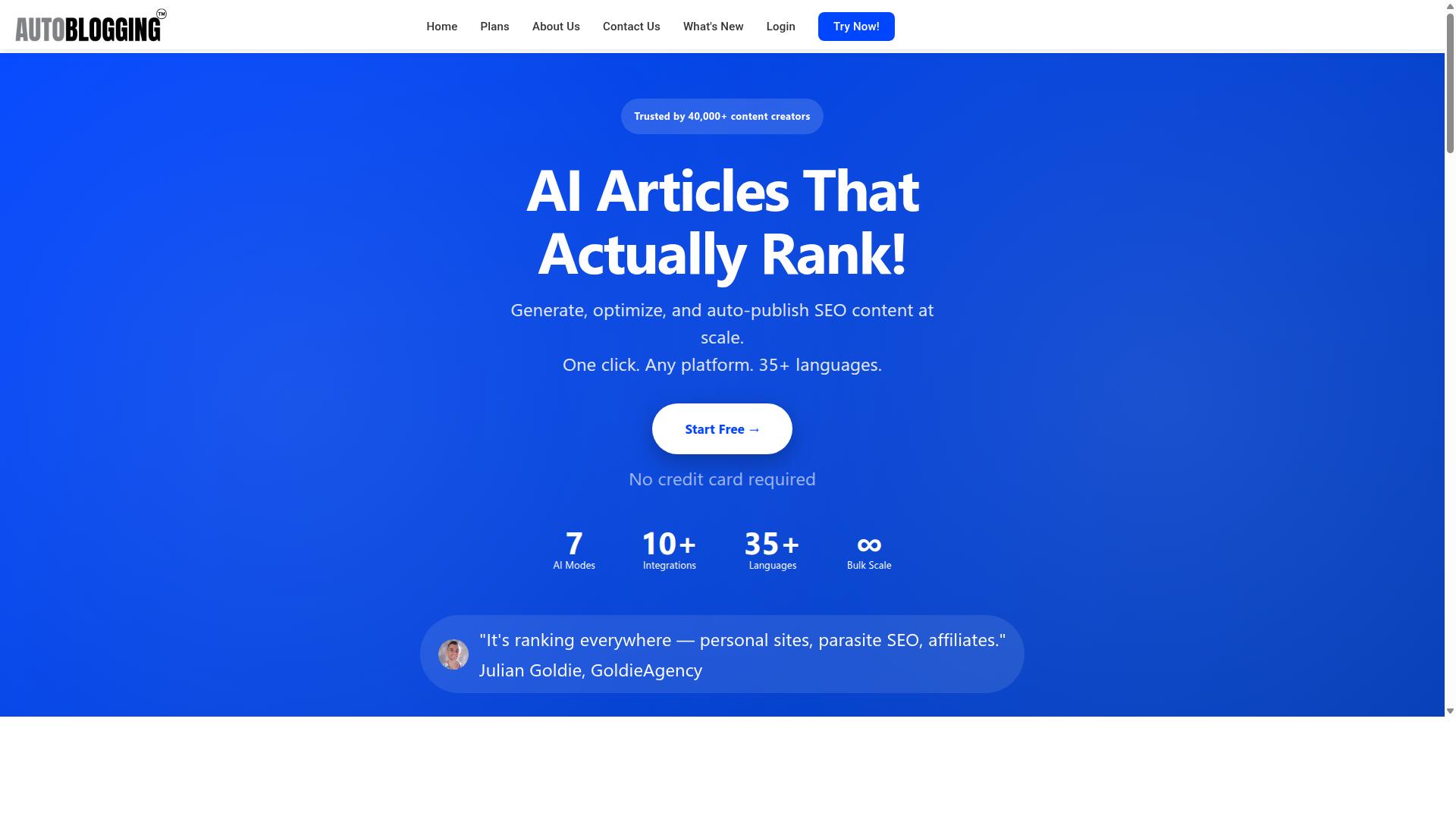
Autoblogging.ai leads the pack by combining SERP competitor analysis with AI writing modes that generate SEO-optimized articles at scale.
The platform helps bloggers, website owners and agencies cut content costs while improving their online presence. Its mission centers on enableing human teams with first drafts through cutting edge technology.
Autoblogging.ai has generated over 1M articles and supports 35 plus integrations across publishing platforms. These capabilities set it apart from other RankIQ alternatives in the market.
Users gain access to modes that handle everything from quick single articles to complex news and review generation. The system replaces repetitive tasks so teams focus on strategy instead of production.
Key Features and Pricing
Autoblogging.ai offers Godlike Mode for SERP competitor analysis and LSI extraction plus five paid tiers starting at $19 monthly.
Godlike Mode extracts knowledge graphs and competitor insights that support content briefing and content gap analysis. This feature helps users build topical authority through structured data extraction.
Bulk Generation handles up to 500 articles via CSV upload for large scale content projects. Teams use this tool for topic clusters and keyword mapping across multiple campaigns.
The Starter plan includes 40 credits while the Gold plan provides 600 credits monthly. Credits roll over between billing periods so users never lose unused capacity.
Each plan connects with WordPress for unlimited sites plus one click publishing to Web 2.0 platforms. This flexibility supports agencies managing multiple client accounts efficiently.
2. Search Atlas
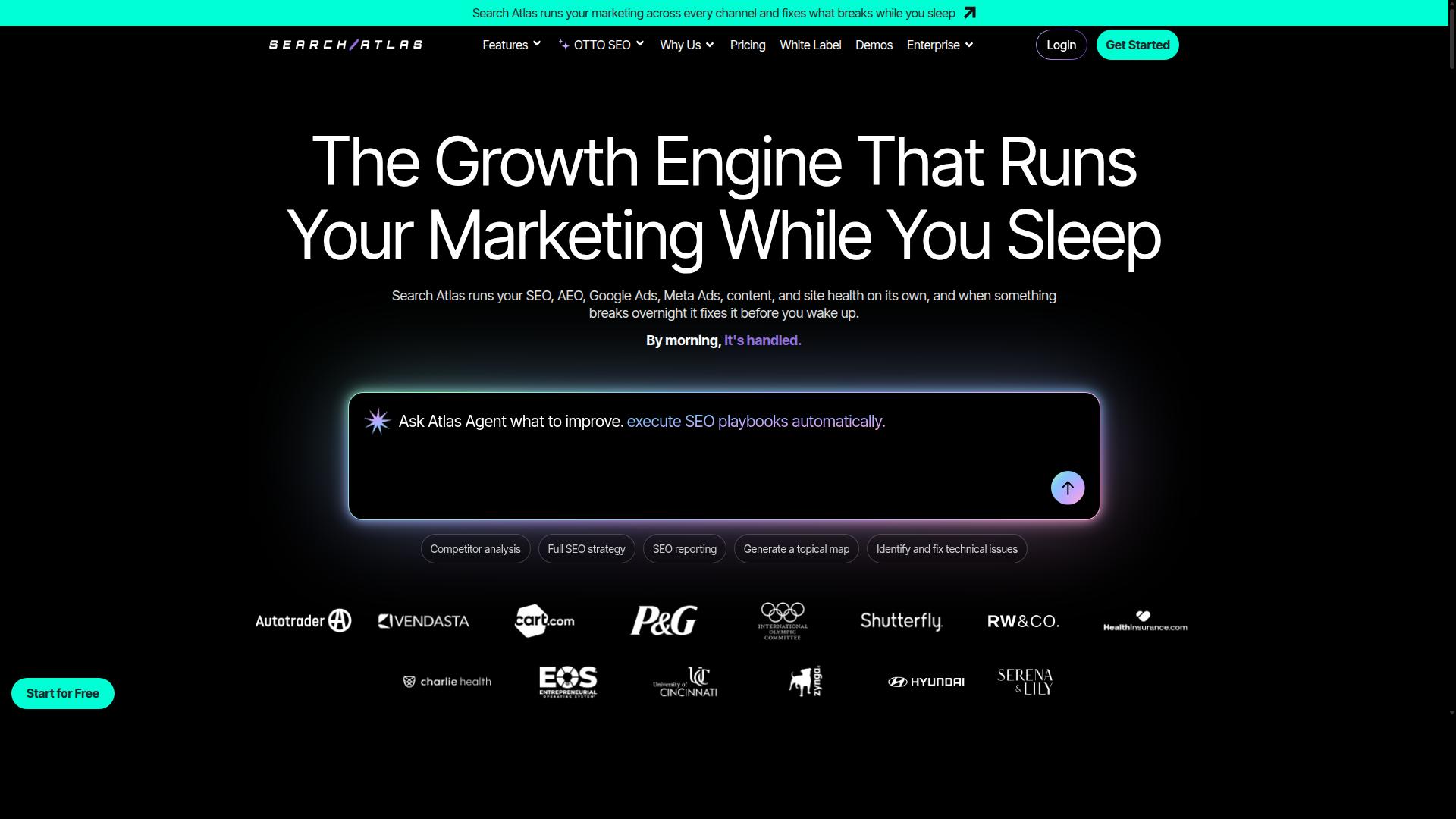
Search Atlas provides keyword clustering and content optimization modules with on-page SEO scoring. This platform uses artificial intelligence to support website ranking efforts. Users often select it for SERP analysis and related SEO tasks.
The tool organizes keywords into meaningful groups that match what users are searching for. This structure helps teams develop topic clusters without manual sorting. Keyword clustering becomes more efficient when patterns emerge across large data sets.
Content grading features assign scores based on various on-page factors. Teams review these metrics to identify gaps before publishing. The process supports clearer content strategy decisions during planning stages.
SERP analysis functions display competitor positions and ranking signals. Users examine these results to refine their own approach. Content optimization improves when real search data guides the editing process.
Search Atlas suits professionals focused on SEO performance and search visibility. The platform supports keyword research and competitor analysis activities. Many teams use it alongside other SEO software to strengthen their overall efforts.
3. Respona
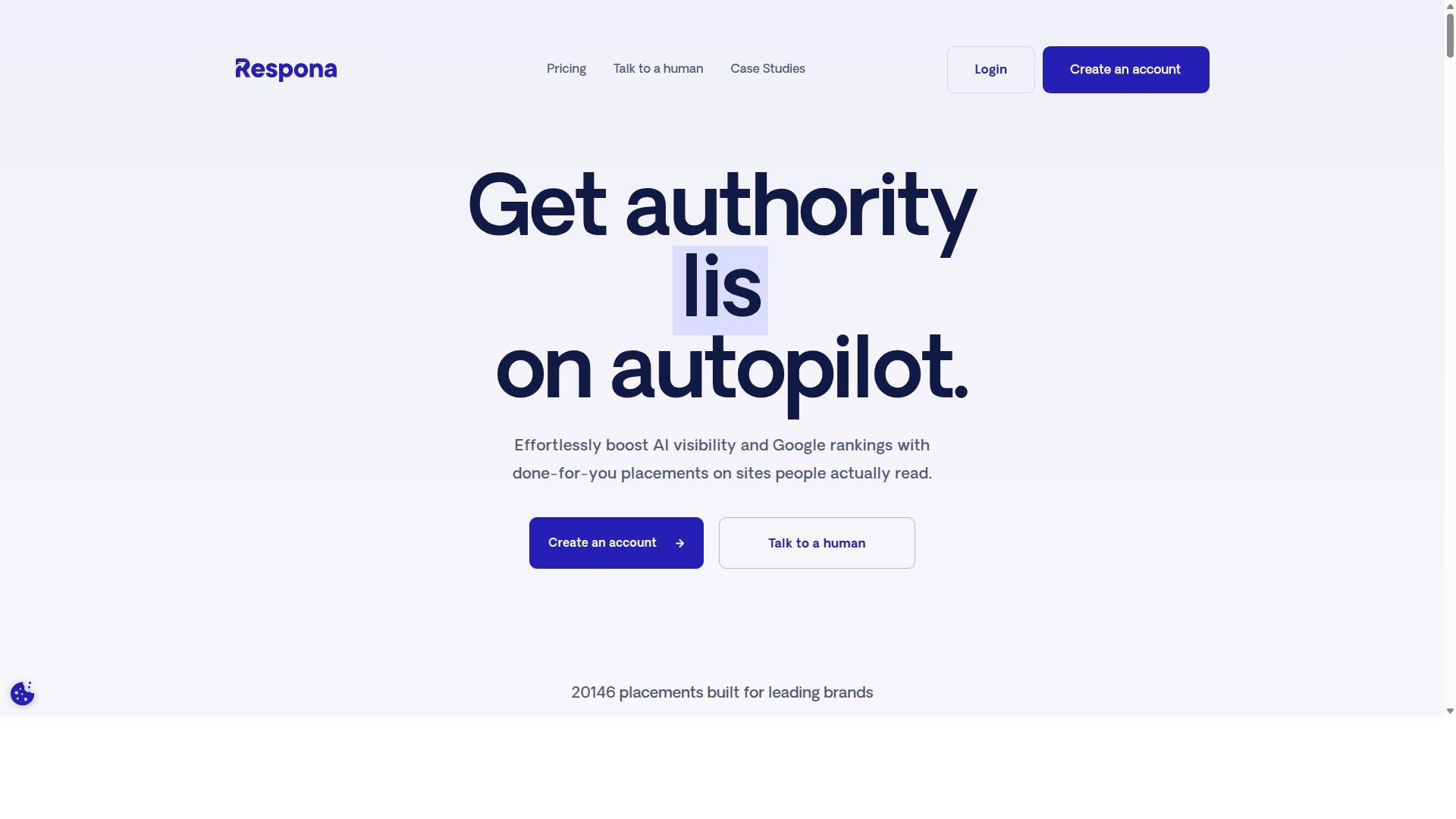
Respona combines outreach automation with basic SEO content scoring and link prospecting. The platform supports email sequences that contact potential partners. It also includes prospect discovery to identify sites for backlinks.
Users build content brief templates within the system. These templates help teams structure articles before writing begins. Briefs can include target keywords and basic structural guidance.
Respona provides SEO scoring tools that evaluate content drafts. The system checks for keyword placement and content quality indicators. Scores appear alongside the text during the review process.
Outreach sequences connect the content tool with link building campaigns. Users send personalized emails to website owners after creating content. The platform tracks responses and follow up messages automatically.
Teams use the tool for blogger outreach and PR campaigns. The system stores contact details and conversation history in one place. This keeps outreach efforts organized across multiple projects.
Respona lists as a PR software and SEO tools competitor. Pricing starts at $100.00 according to available information. The platform serves digital marketing and outreach needs for various organizations.
4. Seobility
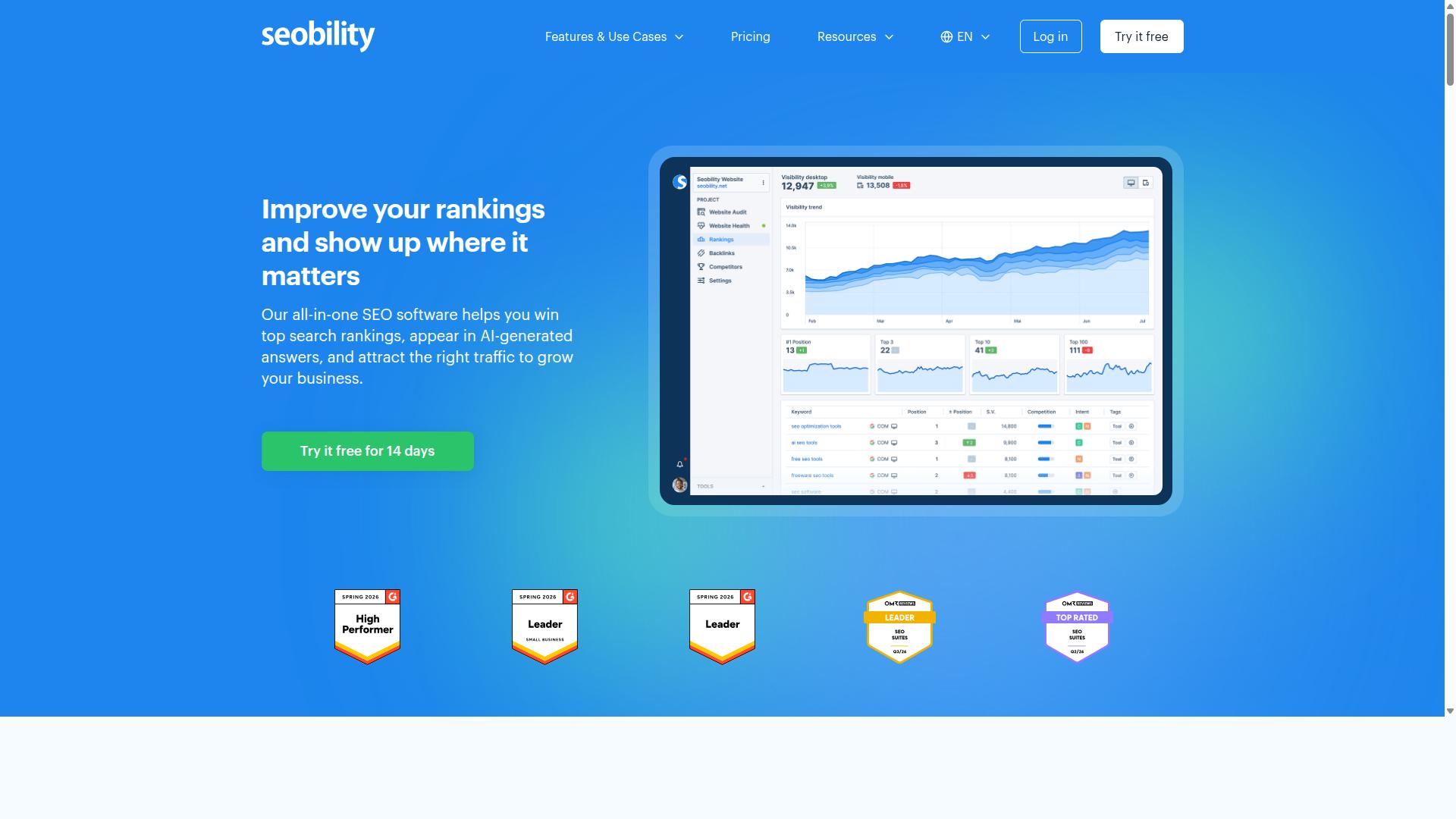
Seobility delivers on-page SEO audits, readability scoring, and keyword suggestions for site-wide optimization. The platform uses crawl-based analysis to find issues that might affect search visibility. Many website owners choose this SEO tool when they need a clear overview of their site's technical health.
Users receive detailed reports on missing meta tags, duplicate content, and broken links after each crawl. The system also flags pages with low readability scores and suggests improvements. These keyword recommendations help teams refine their content without guesswork.
Seobility works well for teams that manage multiple pages and want consistent checks. The readability checks help writers adjust sentence length and structure for better user engagement. Regular audits show progress over time and highlight areas that still need attention.
Some marketers compare Seobility to other SEO alternatives when evaluating tools for their workflow. The platform focuses on practical fixes rather than complex dashboards. Website owners often appreciate the straightforward presentation of results after each scan.
Content teams use the keyword suggestions to expand topic coverage and improve internal linking. The crawl data also reveals opportunities for better page structure. Many users integrate these insights into their existing content strategy to support long-term growth.
5. BrandWell
BrandWell focuses on brand-aligned content optimization and topical authority building tools. This platform helps teams create content that matches their established messaging while strengthening search visibility. Many marketers use it when consistency across campaigns matters as much as rankings.
The tool provides content scoring features that evaluate how well draft material aligns with existing brand guidelines. Users receive feedback on tone, style, and messaging before publication. This scoring system supports teams that publish frequently across multiple channels.
BrandWell also includes brand voice matching capabilities designed to maintain a consistent identity over time. The system analyzes previous content to identify patterns and preferences. Writers can reference these insights when creating new pieces for different audiences.
Topic cluster suggestions form another core component of this SEO tool. The platform identifies related subjects that connect to primary keywords and target topics. This approach helps businesses build topical authority through interconnected content over several months.
Public information shows BrandWell starts at $249.00 per month. The platform receives a 4.1 rating from users who work with content and optimization needs. This pricing places it among higher-tier SEO alternatives in the current market.
6. Ahrefs
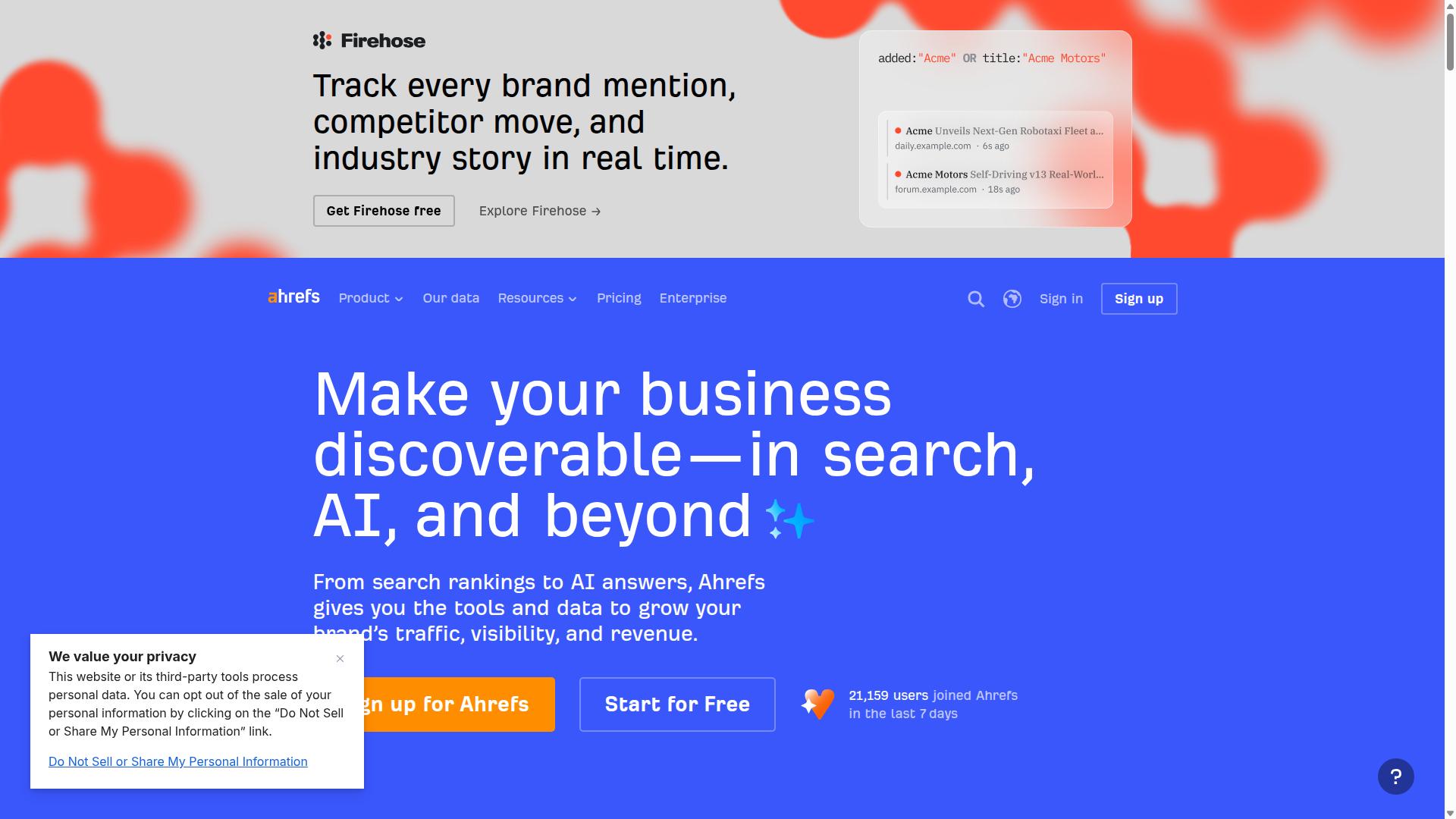
Ahrefs supplies extensive backlink data, keyword difficulty scores, and content gap analysis features. This SEO tool serves startups and small to medium businesses seeking detailed search data.
The Keywords Explorer provides access to search volumes across Google, YouTube, and Amazon platforms. Users can review keyword difficulty metrics to evaluate competition levels before targeting specific terms.
Content Explorer helps identify popular topics and content opportunities within chosen niches. The tool displays engagement metrics for existing articles and helps spot content gaps worth addressing.
Site Audit examines technical SEO elements across websites. This feature flags issues that may affect search visibility and organic traffic performance.
The rank tracker monitors keyword positions over time. Users can track daily or weekly changes in SERP rankings for their target keywords.
Ahrefs starts at $129.00 and holds a 4.5 rating from users. The platform aggregates backlink information from a large database to support various SEO tasks.
7. Surfer SEO
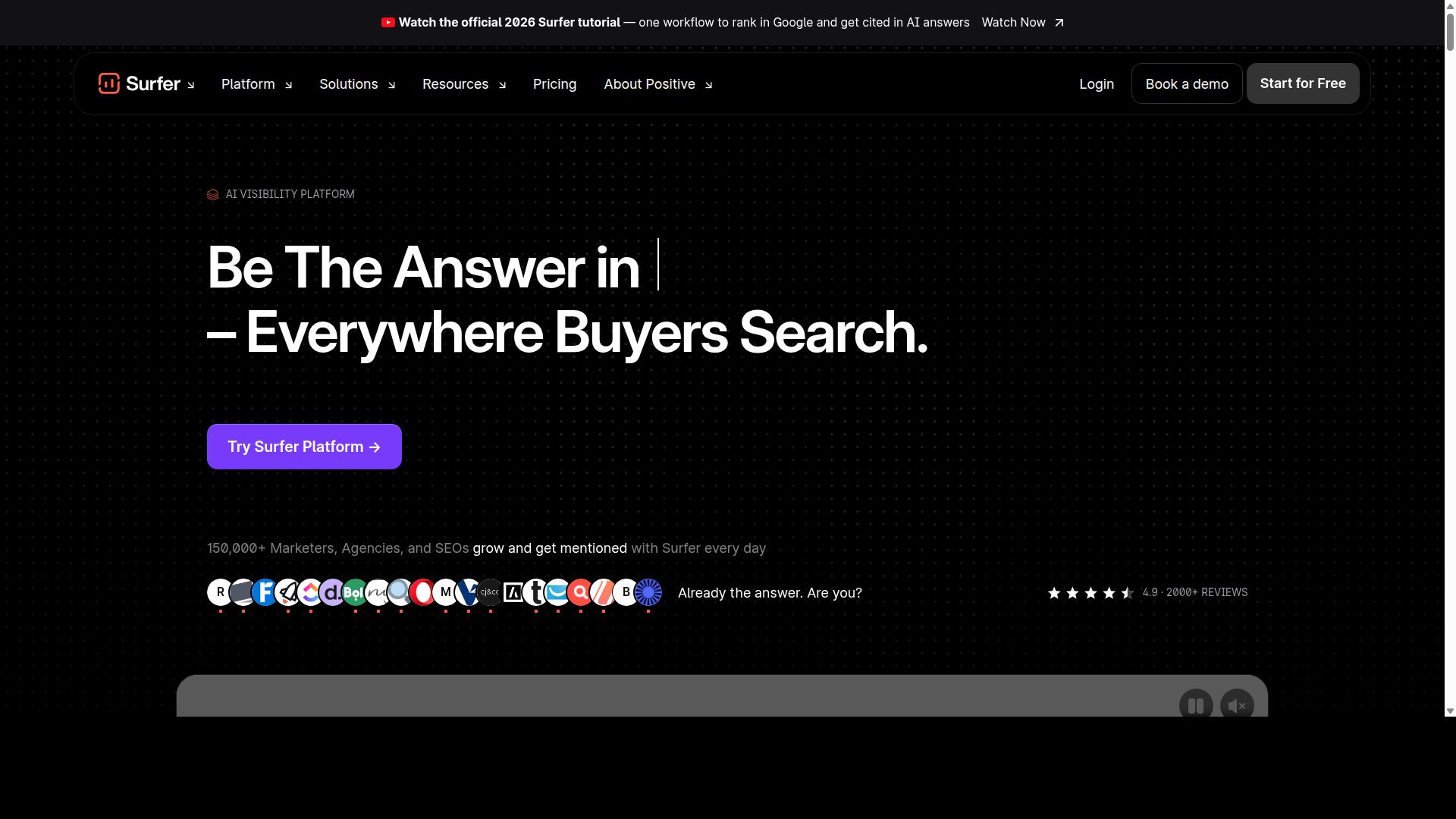
Surfer SEO offers real-time content editor scoring based on SERP data and on-page SEO factors. This approach helps writers align their work with what search engines currently favor. The platform pulls live information from top ranking pages to guide adjustments.
Content editor scoring shows how well a draft matches current search results. Users see specific suggestions for headings, paragraph length, and keyword placement. The system updates scores as changes are made during writing.
SERP correlation plays a central role in the tool. Surfer analyzes top results to identify patterns in content length, structure, and topics. This data drives the recommendations that appear inside the editor.
Content brief generation creates outlines based on the same SERP analysis. Writers receive structured plans that include target headings and key terms. The process reduces time spent on initial research before drafting begins.
The platform integrates with Google Docs and WordPress for direct editing. Users can also access topical maps that support cluster planning across multiple articles. These features position Surfer as a practical option for daily content work.
8. Mangools
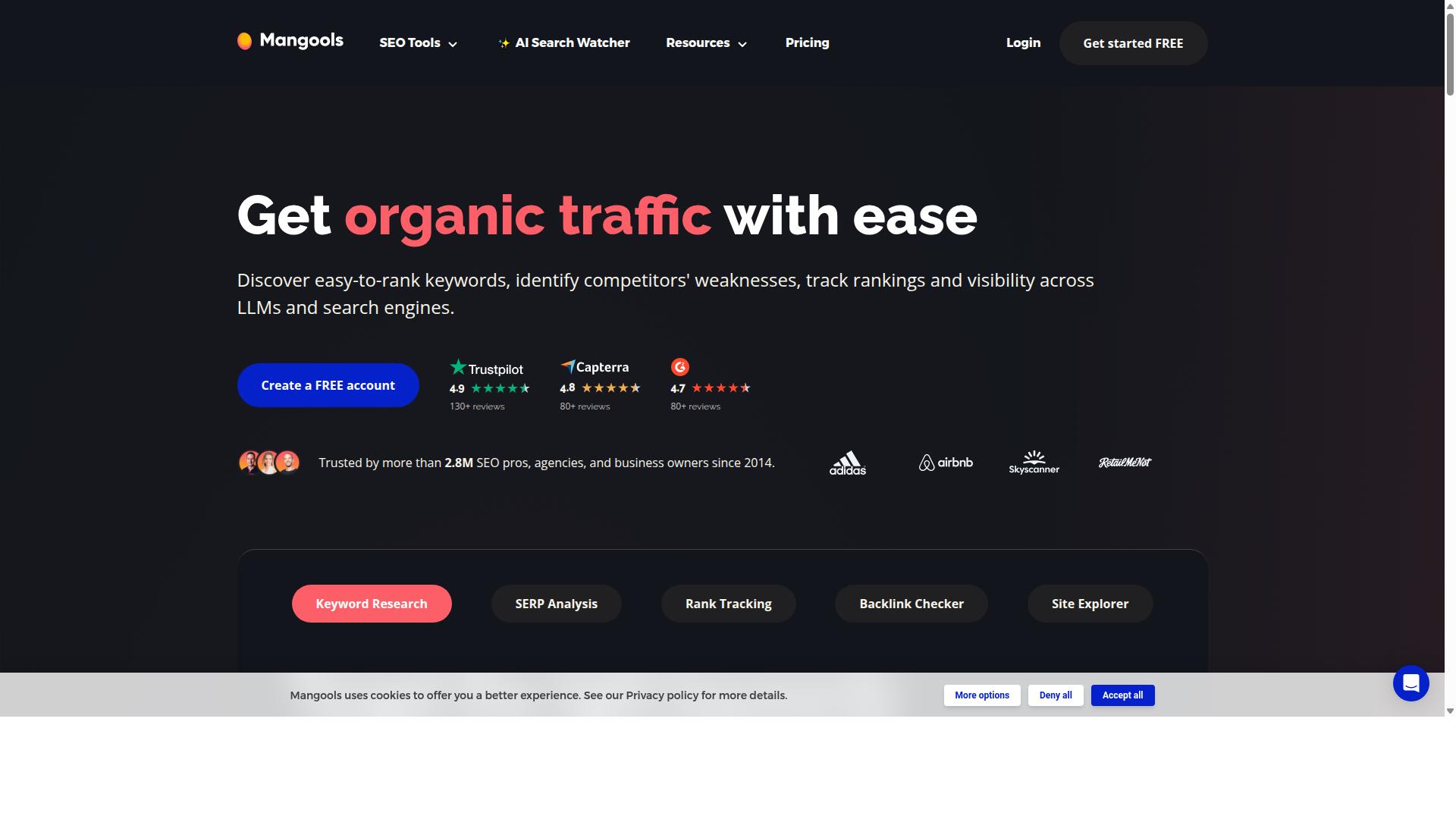
Mangools provides affordable keyword research and SERP analysis tools with basic SEO metrics. The platform includes several integrated features that support bloggers and small teams.
KWFinder difficulty scores help users evaluate competition levels for specific terms. These scores appear alongside search volume estimates to guide selection decisions.
The SERP checker displays top ranking pages and their key metrics. Users can examine title tags, backlink counts, and domain authority indicators in a clean layout.
Mangools also includes a link tracker for monitoring backlink profiles over time. This feature supports ongoing visibility checks without complex setup requirements.
The interface emphasizes simplicity while maintaining core SEO functionality. Research suggests such tools work well for users seeking straightforward analysis rather than advanced automation.
9. SE Ranking
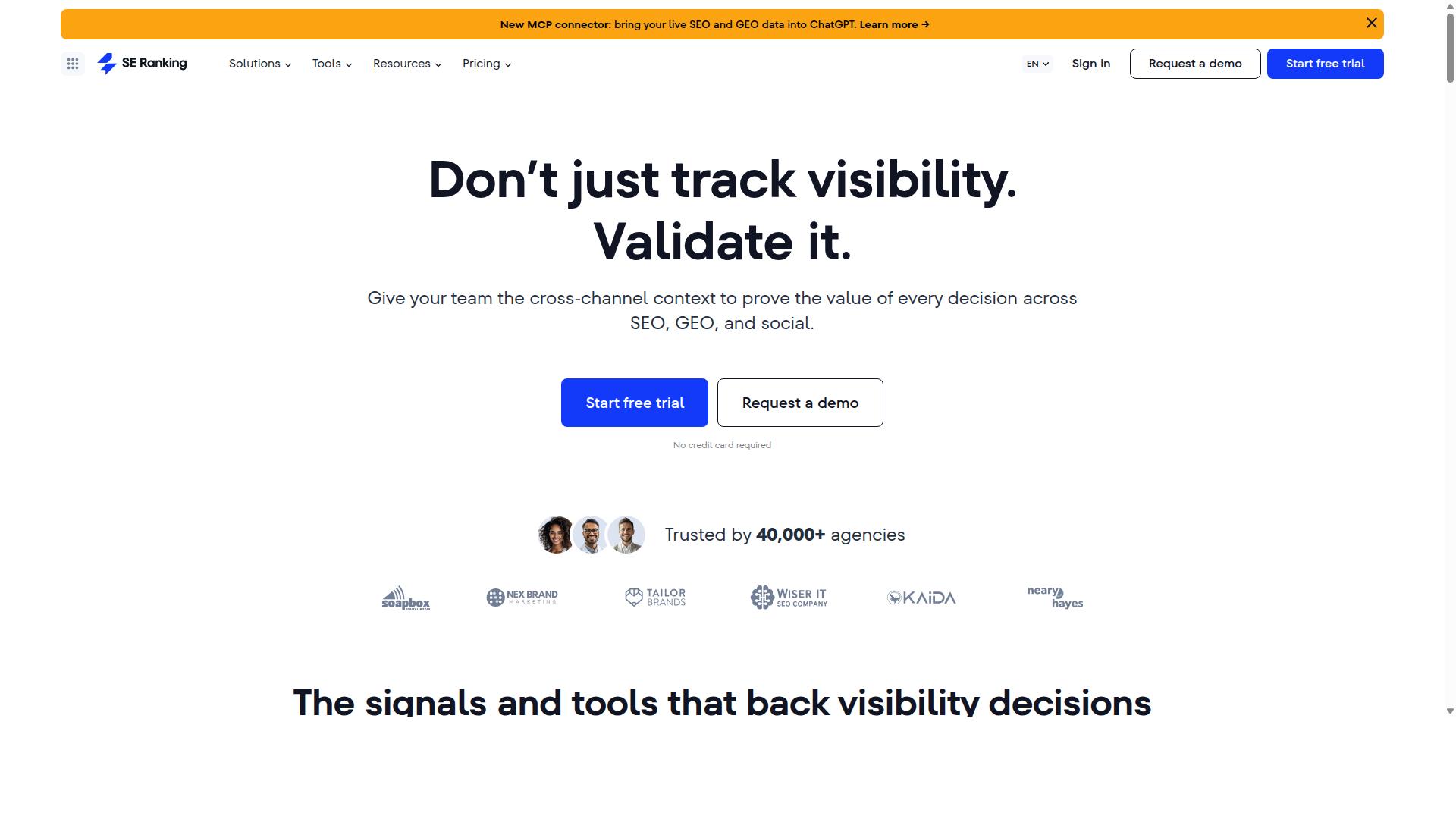
First sentence: SE Ranking delivers white-label rank tracking, keyword research, and on-page SEO recommendations.
Users rely on the rank tracker to monitor daily position changes across multiple search engines. The system sends automated reports that show visibility trends over time. These updates help teams adjust strategies without manual checks.
Keyword suggestions appear inside the research module with search volume estimates and competition levels. The tool groups related terms into clusters for easier planning. Marketers often export these lists directly into content calendars.
Site audit features scan live pages for technical issues that affect rankings. Reports flag missing meta tags, slow load times, and broken links in clear tables. Fixing these items usually improves crawl efficiency.
SE Ranking starts at $65 per month with a 14-day free trial. The platform holds a 4.8 out of 5 user rating. Mid-market teams often choose this suite when they need more than basic keyword tools.
How to Choose the Right Option
Selection hinges on matching exact use-case requirements with each platform's core strengths and pricing tiers.
Bloggers, website owners, and affiliate marketers first identify their monthly output needs. Project volume should align directly with each SEO tool's credit limits and content generation capacity.
Agencies handling multiple client websites benefit from solutions that scale efficiently. Content creators working on personal sites evaluate usage patterns before committing to a platform.
Next, match SERP analysis depth to actual content goals for the project. Keyword research and competitor analysis requirements vary between simple blog posts and comprehensive topic clusters.
Marketing agencies need robust on-page SEO capabilities for client deliverables. Affiliate marketers focus on search intent matching and content gap analysis to drive organic traffic.
Finally, verify integration needs across your existing workflow. SEO professionals often require compatibility with content editors and rank tracking systems already in place.
Autoblogging.ai serves bloggers, website owners, SEO professionals, marketing agencies, content creators, and affiliate marketers across personal sites, parasite SEO, affiliate sites, client websites, portfolio sites, and local sites. This platform supports diverse use cases without forcing users into rigid workflows.
Final Verdict
Autoblogging.ai stands out for teams needing bulk AI article generation backed by 1M+ articles produced and 4.9 average rating. The platform gives users clear advantages through its concrete feature set when compared to standard SEO tools like RankIQ.
10+ AI modes help creators handle different content types without switching between separate platforms. This range covers more production needs than most AI SEO and SEO software options provide in one place.
35+ languages support global teams that publish across multiple markets. Content reaches wider audiences while maintaining consistent quality across regions.
24/7 support ensures users get assistance whenever issues arise during content creation or publishing. Teams avoid delays that can occur with limited support hours on other platforms.
Weekly feature releases keep the tool current with evolving SEO platform requirements and user demands. This pace of updates outpaces many competitors that release changes less frequently.
Trusted by 40,000+ content creators, Autoblogging.ai delivers measurable scale through its full feature stack. The combination of production volume, language support, and ongoing development makes it the strongest choice among SEO alternatives for teams focused on consistent output.
Frequently Asked Questions
What makes Autoblogging.ai a strong choice compared to other RankIQ alternatives?
Autoblogging.ai stands out with its 10+ AI modes, including Godlike Mode for SERP competitor analysis and Bulk Generation for up to 500 articles via CSV, helping users save time while producing high-quality content. It is trusted by over 40,000 content creators with a 4.9 average rating and has generated more than 1 million articles to date. These capabilities make it a reliable option for bloggers and agencies seeking efficient, scalable solutions.
How does Autoblogging.ai support users who need content in multiple languages?
Autoblogging.ai offers support for 35+ languages, allowing users to generate articles tailored to global audiences without additional tools. This feature pairs with 35+ integrations to streamline workflows for website owners and SEO professionals working across different markets. The platform's credits rollover policy further ensures flexibility for ongoing multilingual projects.
Is Autoblogging.ai suitable for agencies handling client websites and large volumes?
Yes, Autoblogging.ai serves marketing agencies and content creators managing parasite SEO, affiliate sites, and client portfolios through its Enterprise plan with 5,000 credits. Features like Bulk Generation and weekly new feature updates help teams scale efficiently while maintaining quality. Human proofreader access is also included in select plans to refine outputs.
What kind of support can users expect from Autoblogging.ai?
Autoblogging.ai provides 24/7 support to assist bloggers, website owners, and agencies worldwide. The platform is available globally as an online SaaS, with contact options including email, phone, and Skype during business hours. This reliable assistance helps users maximize tools like News Mode and Quick Mode for consistent results.
How flexible is Autoblogging.ai's pricing for different content needs?
Autoblogging.ai offers monthly plans starting at $19 for 40 credits and scaling up to $999 for 5,000 credits, with annual options that provide savings for committed users. Credits rollover across plans, making it adaptable for varying workloads without waste. This structure suits personal sites, local SEO projects, and high-volume agency work alike.
Can Autoblogging.ai help improve online presence beyond basic article writing?
Autoblogging.ai focuses on cutting-edge AI to enhance content strategies for SEO professionals and affiliate marketers through modes like Godlike Mode that incorporate LSI keywords and knowledge graph extraction. With its mission to save time and boost visibility, the platform supports diverse sites including portfolio and local pages. Over 1 million articles generated reflect its proven impact on user outcomes.
Recommended Resources: